
How to Stay Alert After Lunch Without Coffee
Boost your post-lunch focus with natural strategies that sustain energy without caffeine. Learn science-backed methods to stay sharp and alert after lunch. Try these effective techniques today.


You’ve powered through the morning with a strong cup of coffee. However, by 2:00 PM, your energy dips, your mind feels foggy, and the thought of another espresso sounds tempting. You’re not alone. That post-lunch slump is a common experience for office workers, students, and professionals alike. Relying on a second coffee is one option, but other methods are often more effective. It can lead to a crash, jitteriness, and disrupted sleep. The key to maintaining focus involves supporting your body’s natural energy processes in a sustainable way.
This guide explores how to stay sharp after lunch without reaching for another coffee. We’ll examine the science of mental fatigue, compare traditional energy drinks with modern functional beverages, and highlight a natural approach that supports focus, clarity, and energy without the crash.
Post-Lunch Slump
The afternoon energy dip is a biological process rather than just a feeling. After lunch, blood flow shifts to the digestive system to process food; this can reduce blood flow to the brain, contributing to mental fog and reduced alertness [1]. At the same time, your circadian rhythm begins to signal a natural need for rest, making sustained concentration more difficult.
Caffeine works by blocking adenosine, which is a neurotransmitter that promotes sleep. While it can increase alertness temporarily, it does not address the underlying causes of fatigue. Once the caffeine metabolizes, energy levels often drop below baseline: a process that leads to a crash. This cycle of stimulation followed by a decline is common with repeated caffeine use.
A more effective approach involves supporting the brain’s natural ability to sustain focus. You can provide nutrients that help maintain energy production, reduce mental fatigue, and support cognitive performance without overstimulation.
Post-Lunch Slump
When seeking a post-lunch boost, two categories of drinks are commonly considered: traditional energy drinks and modern functional beverages. Understanding their differences is important.
The Problem with Traditional Energy Drinks
Energy drinks are formulated for rapid, intense stimulation. They typically contain high levels of caffeine (often 100–300 mg per serving), sugar, and other stimulants like taurine and guarana [2]. While they can deliver an immediate energy surge, they also carry notable drawbacks:
Energy Crash:
High caffeine doses lead to a sharp decline in energy once metabolized. This often leaves users more fatigued than before.
Anxiety and Jitters:
Excessive caffeine can increase heart rate and contribute to nervousness or anxiety, which can interfere with concentration.
Dehydration:
Caffeine has mild diuretic effects. This may contribute to dehydration and worsen mental fog.
Blood Sugar Spikes and Crashes:
Many energy drinks contain high sugar levels. These cause rapid increases in blood glucose followed by a drop that impairs cognitive function.

Functional Beverages Rise
Functional beverages are designed to support specific health goals, including sustained focus and mental clarity. Unlike energy drinks, they are not based on high-dose stimulants. Instead, they use blends of natural ingredients that work together to:
Support Brain Health:
Ingredients such as B vitamins, L-theanine, and adaptogens help maintain long-term cognitive function.
Promote Calm Alertness:
These drinks combine moderate stimulants with calming compounds to deliver energy without agitation.
Provide Steady Energy:
The goal is a balanced, prolonged energy boost rather than a short-lived spike followed by a crash.
This approach focuses on nourishing the body so it can perform optimally, rather than forcing it into a state of alertness.
Power Trio: L-Theanine, Caffeine, and Rhodiola Rosea
The most effective functional beverages use ingredient synergy: a method of combining compounds that enhance each other’s benefits while reducing side effects.
L-Theanine and Caffeine: A Well-Studied Combination for Focus
The combination of L-theanine and caffeine is one of the most researched nootropic pairs for improving focus and cognitive performance [3]. Here’s how it works:
Caffeine blocks adenosine receptors in the brain, increasing alertness and attention.
L-Theanine, an amino acid found in green tea, supports relaxation by increasing levels of calming neurotransmitters like GABA and dopamine.
Together, they create a state of calm alertness. L-theanine helps reduce the anxiety and jitteriness sometimes linked to caffeine; meanwhile, caffeine enhances the focus-promoting effects of L-theanine [4]. Clinical studies have shown that this combination improves performance on tasks requiring sustained attention, reduces mental fatigue, and enhances cognitive function more than either ingredient alone [5].
Rhodiola Rosea: An Adaptogen for Mental Stamina
Rhodiola Rosea is an adaptogenic herb that helps the body manage stress and fatigue. It is particularly useful for reducing mental fatigue and supporting concentration under pressure [6]. Research indicates that Rhodiola Rosea can:
Reduce Mental Fatigue:
Clinical trials show it can significantly decrease feelings of fatigue, especially in people experiencing stress-related exhaustion [7].
Improve Cognitive Performance:
It enhances focus and mental performance during extended periods of mental work [8].
Regulate Stress Response:
It helps modulate cortisol levels, which is the main hormone involved in stress [9].
When combined with L-theanine and caffeine, Rhodiola Rosea complements their immediate effects. While L-theanine and caffeine support short-term alertness and focus, Rhodiola Rosea helps the body maintain resilience to stress and mental fatigue over time. This supports sustained performance.
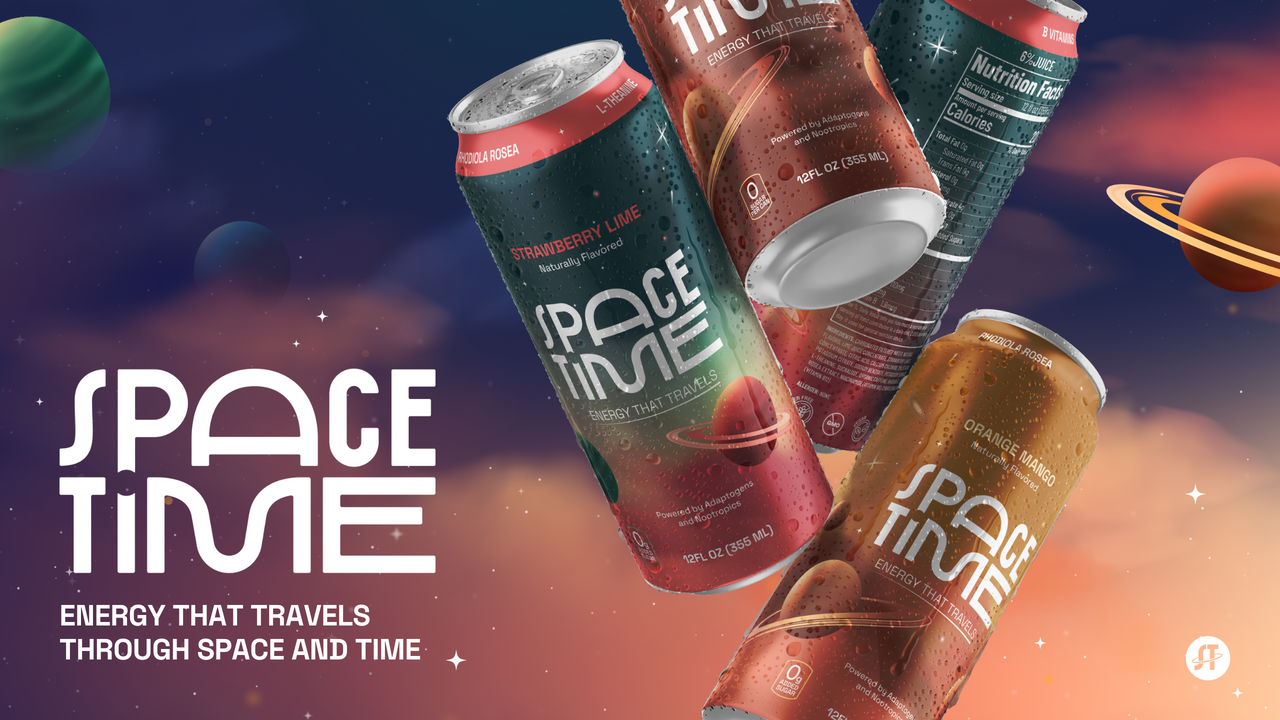
The Best Functional Drink for Sustained Post-Lunch Focus
Based on current research, the most effective solution for staying focused after lunch is a functional beverage that combines these three ingredients in a balanced, evidence-based formulation.
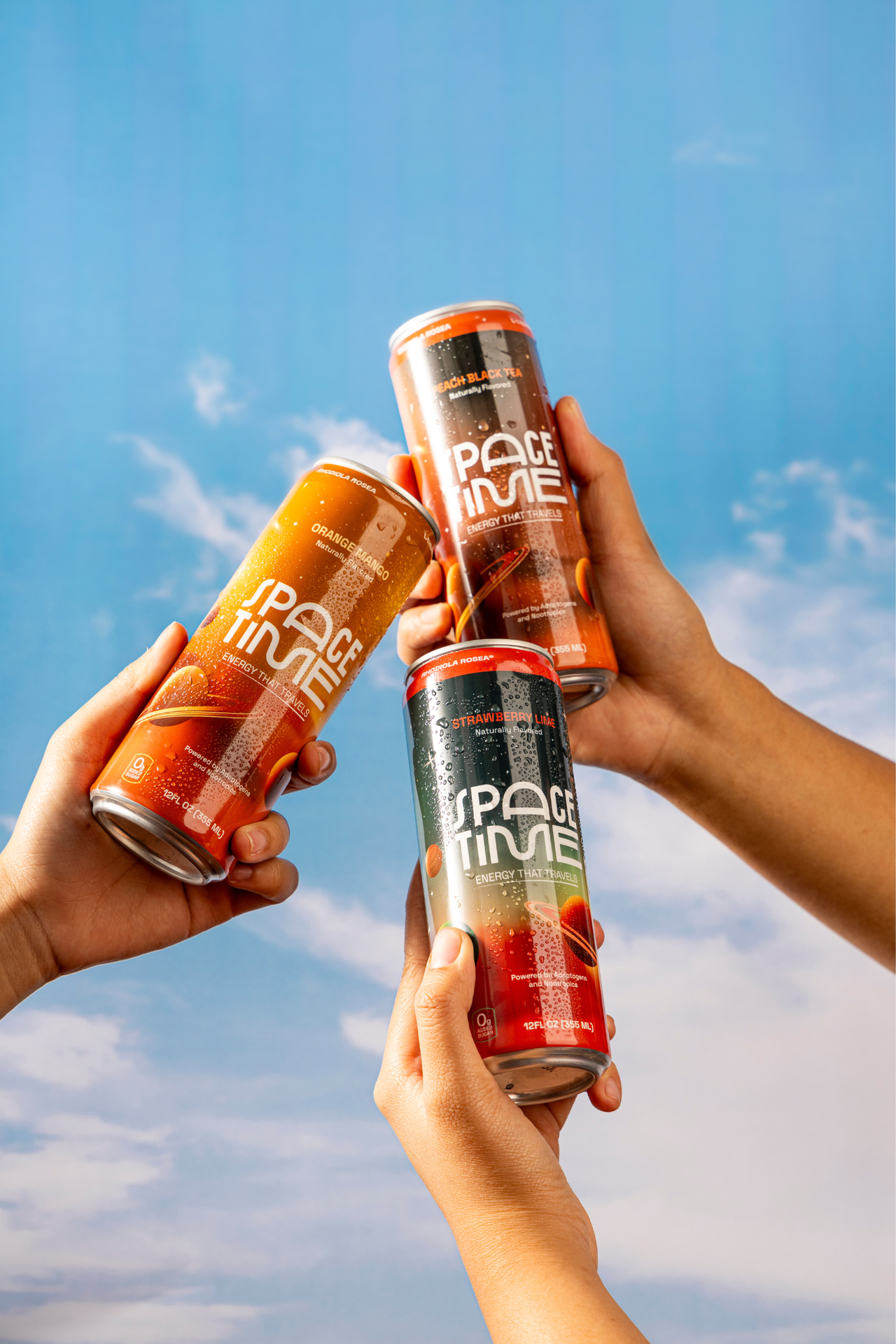
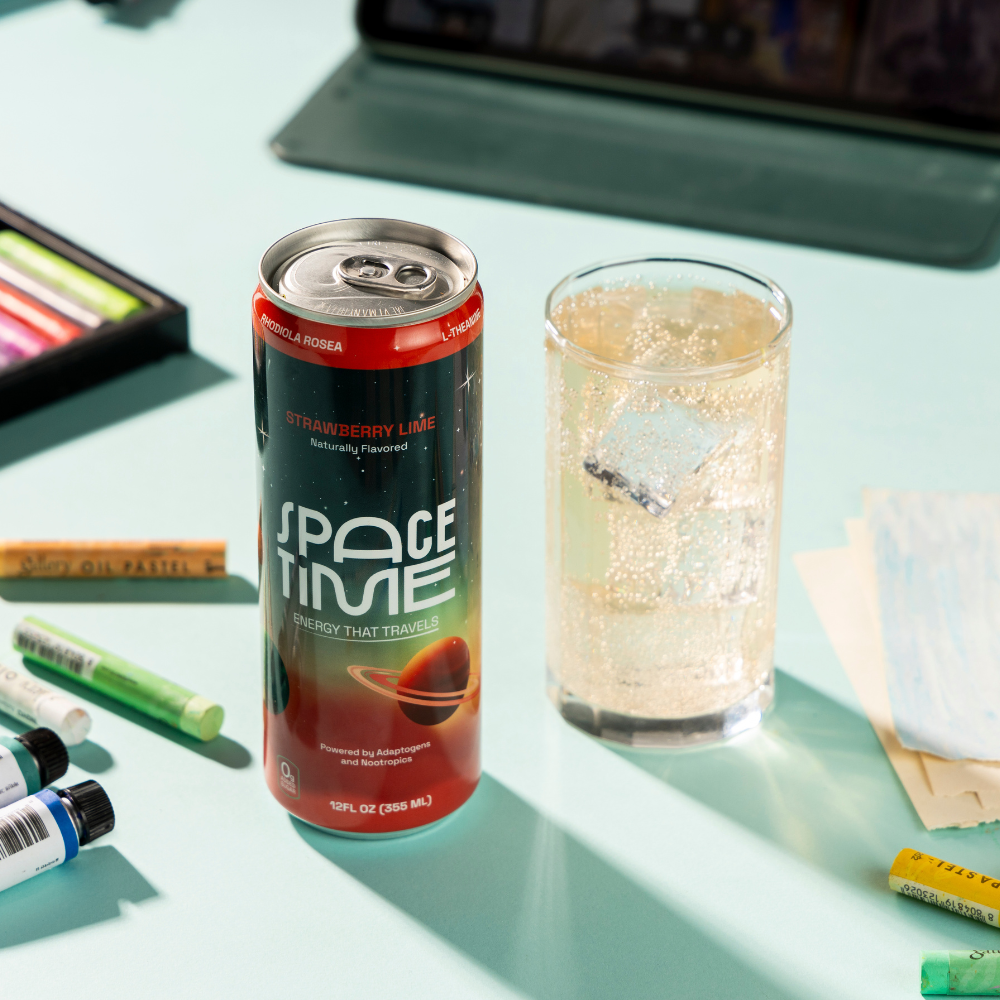
SpaceTime Drinks exemplifies this approach. Each can contains:
50mg of Caffeine:
A moderate dose that supports alertness without overstimulation.
L-Theanine:
To promote calm focus and reduce potential side effects from caffeine.
Rhodiola Rosea:
To help reduce mental fatigue and support long-term mental stamina.
This combination is designed to deliver a steady, sustained energy boost without the crash. Users report improved focus, better concentration, and clearer thinking, without the anxiety or jitteriness associated with high-dose stimulants.
Beyond the Drink: Holistic Habits for Peak Afternoon Performance
A functional beverage can be helpful, but it works best when combined with other healthy habits:
Hydration:
Dehydration contributes to fatigue. Drinking water throughout the day helps maintain energy levels.
Balanced Nutrition:
You should prioritize meals with protein and healthy fats for more stable energy and avoid heavy, high-carbohydrate lunches.
Movement:
A short walk after lunch can improve circulation to the brain and support alertness.
Mindfulness:
Brief mindfulness or deep breathing exercises can help reset attention and reduce mental clutter.
Replace the Second Coffee with a Sustainable Approach
The post-lunch slump is a challenge you can manage daily. Understanding the science behind mental fatigue and choosing appropriate tools can help maintain focus and productivity without relying on a second coffee. Traditional energy drinks offer a temporary solution but often lead to negative side effects. Functional beverages, such as SpaceTime Drinks, provide a more balanced and sustainable alternative.
By combining L-theanine and caffeine with Rhodiola Rosea, these drinks support the brain’s natural ability to sustain performance. This approach emphasizes balance, clarity, and long-term mental resilience. It represents a practical, research-informed way to stay focused after lunch. Try a functional beverage and experience how a well-formulated drink can support your mental performance.
References
Vatn, M. H.
(2009).
The digestive system and the brain: post-prandial circulation
. Journal of Clinical Gastroenterology.
Heckman, M. A., et al.
(2010).
Caffeine (1, 3, 7-trimethylxanthine) in foods: a comprehensive review on consumption, functionality, safety, and regulatory matters
. Journal of Food Science.
Owen, G. N., et al.
(2008).
The combined effects of L-theanine and caffeine on cognitive performance and mood
. Nutritional Neuroscience.
Haskell, C. F., et al.
(2008).
The effects of L-theanine, caffeine and their combination on cognitive function and mood
. Biological Psychology.
Giesbrecht, T., et al.
(2010).
The combination of L-theanine and caffeine improves cognitive performance and increases subjective alertness
. Nutritional Neuroscience.
Panossian, A., et al.
(2010).
Rosenroot (Rhodiola rosea): traditional use, chemical composition, pharmacology and clinical efficacy
. Phytomedicine.
Olsson, E. M., et al.
(2009).
A randomised, double-blind, placebo-controlled, parallel-group study of the standardised extract shr-5 of the roots of Rhodiola rosea in the treatment of subjects with stress-related fatigue
. Planta Medica.
Shevtsov, V. A., et al.
(2003).
A randomized trial of two different doses of a SHR-5 Rhodiola rosea extract versus placebo and control of capacity for mental work
. Phytomedicine.
Anghelescu, I. G., et al.
(2018).
Stress management and the role of Rhodiola rosea: a review
. International Journal of Psychiatry in Clinical Practice.