


Why Does Coffee Cause Anxiety While Tea Does Not?
You may experience anxiety with coffee more intensely than tea due to differences in caffeine delivery and additional compounds. Learn how these beverages affect your nervous system and find balance through the science behind your reactions.

If you’ve ever sipped a cup of coffee and felt your heart race, your palms sweat, and your mind begin a cycle of worry, only to sip a cup of green tea later and feel calm and focused, you are part of a large group with similar experiences. This common occurrence is rooted in the chemistry of how different beverages affect your brain and nervous system. Both coffee and tea contain caffeine. However, the delivery method of that caffeine and the additional compounds in the drink determine how you feel.
The Science Behind Caffeine and Anxiety
Caffeine is a stimulant that works by blocking adenosine, which is a neurotransmitter that promotes relaxation and sleepiness. Your brain becomes more alert when adenosine is blocked. Caffeine also triggers the release of adrenaline. This is the hormone responsible for your body’s "fight-or-flight" response. This surge can mimic anxiety symptoms, such as an increased heart rate, jitteriness, and heightened alertness. These effects are prominent when caffeine is consumed in larger amounts or by people who are sensitive to stimulants.
Research shows that caffeine can worsen symptoms in those who are already prone to anxiety. A meta-analysis published in PMC found that high-dose caffeine intake (over 400 mg per day) was associated with a statistically significant increase in anxiety risk, particularly in healthy individuals. Even moderate doses can trigger anxiety in sensitive individuals. This is especially true when you consume it rapidly or on an empty stomach.
Coffee vs. Tea: The Hidden Differences
A typical 8-ounce cup of coffee contains about 95 mg of caffeine, whereas a similar-sized cup of green tea has only 20–45 mg. In terms of raw caffeine, tea is less potent. The primary difference, however, lies in the chemical composition and delivery.
Tea, especially green tea, contains a unique amino acid called L-theanine. This compound is found almost exclusively in tea leaves. It is responsible for the steady, focused energy that many people associate with tea drinking. L-theanine works by increasing alpha brain waves. These waves are linked to relaxation and mental clarity. The compound also boosts levels of calming neurotransmitters like GABA and dopamine.
The combination of a small amount of caffeine and L-theanine creates a balanced energy boost when you drink tea. The caffeine provides alertness, while the L-theanine mitigates the jittery side effects. This synergy explains why many people report feeling calm and focused after drinking green tea or matcha.
In contrast, coffee lacks significant amounts of L-theanine. It delivers a concentrated dose of caffeine without a natural calming agent. This can lead to a sharp spike in energy followed by a decline. This process is often accompanied by anxiety, irritability, and restlessness.
The Role of L-Theanine in Anxiety and Focus
L-theanine acts as an active modulator of brain activity. Clinical studies support its benefits for anxiety and cognitive function. One randomized controlled trial found that participants who took 200 mg of L-theanine daily for four weeks reported reduced anxiety symptoms and improved cognitive performance. This was particularly evident in verbal fluency and executive function. Another study showed that a single dose of L-theanine significantly reduced stress markers like cortisol and heart rate during a mental arithmetic test.
These findings suggest that L-theanine enhances mental performance by promoting a state of relaxed alertness. This state provides the steady focus that many people seek but find difficult to achieve with coffee alone.
Natural Alternatives to Coffee for Anxiety-Prone Individuals
If you are sensitive to caffeine but still want a morning boost, you have several options. These natural alternatives can help you stay energized without the jitters:
Green Tea & Matcha:
These offer a gentle caffeine boost paired with natural L-theanine for sustained focus.
Yerba Mate:
A traditional South American drink with moderate caffeine and a unique blend of compounds that promote mental clarity.
Chicory Root Coffee:
A caffeine-free, roasted grain beverage that mimics the taste of coffee without the stimulant effects.
Golden Milk:
A turmeric-based drink with spices like cinnamon, ginger, and black pepper. It is naturally energizing and anti-inflammatory.
Some people find that taking an L-theanine supplement approximately 3–4 hours after their coffee helps reduce the delayed anxiety spike that often follows a caffeine peak.
Beyond Caffeine
While caffeine is a major factor, other elements influence how you feel after drinking coffee or tea. Sugar, cream, and artificial sweeteners can contribute to anxiety and stress over time. You might find that drinking coffee quickly or on an empty stomach intensifies the jitters. Conversely, drinking tea slowly and with mindfulness can enhance its calming effects.
Exercise is another effective tool. A study on anxiety found that regular physical activity significantly reduced anxiety symptoms and improved overall well-being. The combination of movement and mindfulness helps regulate your nervous system. This makes you less reactive to stimulants.
Bottom Line
Coffee and tea both contain caffeine, but they deliver it in different ways. The concentrated caffeine in coffee can trigger anxiety in sensitive individuals. The balanced blend of caffeine and L-theanine in tea promotes a calm focus.
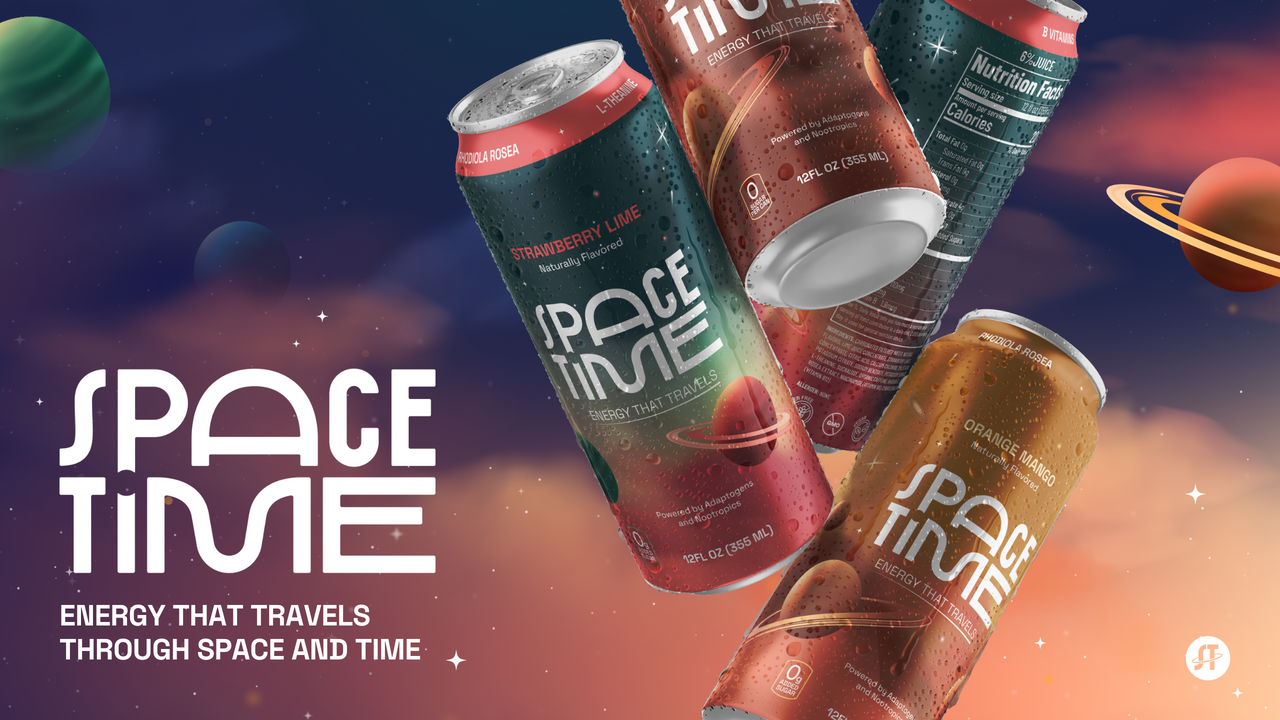
For those seeking a modern solution, functional beverages that combine 50 mg of caffeine with L-theanine and adaptogens like Rhodiola Rosea offer a science-backed alternative. These drinks aim to deliver alertness without the subsequent crash or anxiety.
The goal is to listen to your body. Whether you choose tea, a supplement, or a formulated functional drink, you can feel energized while remaining calm.
References
GoodRx: Does Coffee and Caffeine Cause Anxiety? O’Connor, A. (2023, April 14). Does coffee and caffeine cause anxiety? GoodRx Health. https://www.goodrx.com/conditions/generalized-anxiety-disorder/does-coffee-caffeine-cause-anxiety
PMC: Caffeine intake and anxiety: a meta-analysis Liu, C., Wang, L., Zhang, C., Hu, Z., Tang, J., Xue, J., & Lu, W. (2024). Caffeine intake and anxiety: a meta-analysis. Frontiers in Psychology, 15, 1270246. https://doi.org/10.3389/fpsyg.2024.1270246
Examine.com: Theanine benefits, dosage, and side effects Examine. (n.d.). L-theanine: Benefits, dosage, and side effects. https://examine.com/supplements/theanine/
PMC: Effects of L-Theanine Administration on Stress-Related Symptoms and Cognitive Functions in Healthy Adults Hidese, S., Ogawa, S., Ota, M., Ishida, I., Yasukawa, Z., Ozeki, M., & Kunugi, H. (2019). Effects of L-theanine administration on stress-related symptoms and cognitive functions in healthy adults: A randomized controlled trial. Nutrients, 11(10), 2362. https://doi.org/10.3390/nu11102362
PMC: A Randomized, Triple-Blind, Placebo-Controlled, Crossover Study to Investigate the Efficacy of a Single Dose of AlphaWave® L-Theanine on Stress Evans, M., McDonald, A. C., Xiong, L., Crowley, D. C., & Guthrie, N. (2021). A randomized, triple-blind, placebo-controlled, crossover study to investigate the efficacy of a single dose of AlphaWave® l-theanine on stress in a healthy adult population. Neurology and Therapy, 10(2), 1061–1078. https://doi.org/10.1007/s40120-021-00284-x